Introduction
Rainy afternoons, school breaks, and restless weekends don't have to mean screen time or expensive activity kits. With a little creativity and items you'd otherwise toss in the recycling bin, you can turn ordinary moments into extraordinary opportunities for learning and fun.
Sustainable kids crafts do more than keep little hands busy—they spark conversations about where things come from, where they go, and why it matters. When children transform a cardboard tube into a rocket ship or egg cartons into a garden, they're building more than crafts. They're building values.
These seven eco-friendly projects use materials you likely already have at home, require minimal adult supervision, and produce results kids will actually want to keep and play with. No special supplies needed, no craft store runs required—just imagination, recyclables, and a willingness to get a little messy.
Photo by Kiriakos Haritakis on Unsplash
1. Cardboard Tube Seed Starters
Those toilet paper and paper towel tubes piling up in your bathroom? They're perfect biodegradable planters waiting to happen.
What you'll need: Cardboard tubes, scissors, potting soil, seeds, and a waterproof tray.
How to make them: Cut tubes into 3-inch sections. Make four small cuts at the bottom and fold the flaps inward to create a base. Fill with soil, plant seeds according to package directions, and place on a tray near a sunny window. When seedlings are ready, plant the entire tube directly in the ground—the cardboard decomposes naturally.
This project teaches children the full cycle of growth and decomposition. They'll watch seeds sprout, learn patience as plants develop, and understand that even "trash" returns to the earth. According to the EPA, composting cardboard enriches soil and reduces methane emissions from landfills—a fact older kids find fascinating.
2. Newspaper Weaving Baskets
Transform yesterday's news into functional art that kids can actually use to store their treasures.
What you'll need: Newspaper or junk mail, a glue stick, scissors, and optional paint or markers.
How to make them: Roll newspaper sheets diagonally into tight tubes, securing with glue. Create a base by weaving tubes in an over-under pattern. Once the base is complete, bend the tubes upward and continue weaving to form sides. Tuck and glue ends to finish. Let kids paint or decorate their baskets once dry.
Weaving develops fine motor skills and pattern recognition while producing something genuinely useful. These baskets can hold art supplies, hair accessories, or small toys. The repetitive motion is surprisingly calming for energetic children, making this an excellent quiet-time activity that still feels productive and creative.
Photo by Amy (lydocia) on Unsplash
3. Egg Carton Caterpillars and Critters
Egg cartons are craft gold—sturdy, easy to cut, and perfectly sectioned for creating creatures of all kinds.
What you'll need: Cardboard egg cartons, non-toxic paint, pipe cleaners, googly eyes (or draw your own), and glue.
How to make them: Cut the carton into rows of connected cups for caterpillars or individual cups for ladybugs and spiders. Paint and let dry completely. Add pipe cleaner antennae, legs, or wings. Glue on eyes and draw details with markers.
These critters become characters in imaginative play, nature study companions, or adorable room decorations. For extended learning, research the real animals together—how many legs does a caterpillar actually have? What do ladybugs eat? The National Wildlife Federation offers kid-friendly animal facts that pair perfectly with this activity.
4. Plastic Bottle Terrariums
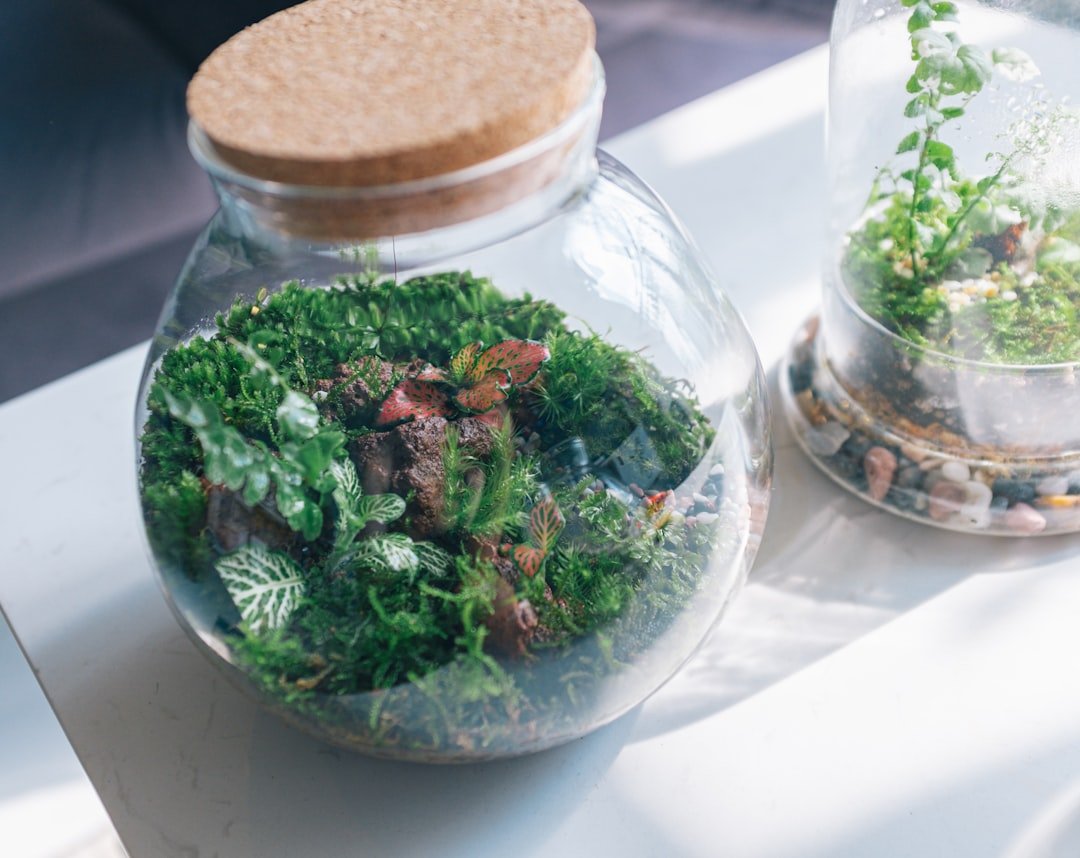
Create a self-sustaining miniature ecosystem that teaches the water cycle in action.
What you'll need: A clean 2-liter plastic bottle, small pebbles, activated charcoal (optional), potting soil, small plants or moss, and spray bottle.
How to make them: Cut the bottle in half. Layer the bottom with pebbles for drainage, add a thin charcoal layer to prevent mold, then add soil. Plant small ferns, moss, or succulents. Mist lightly with water. Place the top half over the bottom, creating a dome. Set in indirect light.
Once sealed, the terrarium demonstrates evaporation, condensation, and precipitation in miniature. Kids can observe water droplets forming on the inside and "raining" back down. It's a living science experiment that requires almost no maintenance—perfect for teaching responsibility without the pressure of daily watering.
5. Tin Can Wind Chimes
Turn empty cans into musical garden art that catches the breeze and delights the ears.
What you'll need: Clean tin cans (various sizes), hammer and nail, acrylic paint, string or twine, beads, a sturdy stick or wooden dowel.
How to make them: Have an adult punch a hole in the bottom center of each can. Let kids paint the outside with weather-resistant designs. Thread string through each can, knotting inside to secure. Add beads between cans for extra visual interest. Tie all strings to the stick at varying lengths. Hang outdoors.
Different can sizes produce different tones, introducing basic acoustic concepts. This project also opens conversations about aluminum recycling—according to the Aluminum Association, recycling one can saves enough energy to power a TV for three hours. Kids love knowing their craft made an environmental difference.
6. Fabric Scrap Memory Game
Rescue fabric scraps and old clothing from the donation pile to create a tactile matching game.
What you'll need: Cardboard (cereal boxes work great), fabric scraps in matching pairs, scissors, and glue.
How to make them: Cut cardboard into equal-sized squares—aim for at least 12 pairs. Cut fabric pieces slightly smaller than the cardboard. Glue one fabric piece to each card, ensuring you have two cards of each fabric pattern. Let dry completely before playing.
This homemade memory game offers something store-bought versions can't: texture. Players can match by sight while blindfolded players can match by touch alone. It's excellent for sensory development in younger children and adds an inclusive element for visually impaired family members or friends. Older kids can help cut and design, making it a multi-age activity.
-
Old shirts, worn jeans, outgrown dresses—anything with interesting textures or patterns
-
Precision matters less than having two pieces that are clearly from the same fabric
-
Double-layer cardboard if your cereal boxes seem too flimsy
-
Rushing this step leads to peeling fabric and frustrated kids
7. Mason Jar Lanterns
Empty jars become magical light sources that make bedtime a little more enchanting.
What you'll need: Clean glass jars (any size), tissue paper in various colors, watered-down white glue or Mod Podge, foam brush, battery-operated tea lights.
How to make them: Tear tissue paper into small pieces—irregular shapes work best. Brush glue mixture onto a section of the jar, apply tissue paper, then brush more glue over the top. Continue until the entire jar is covered, layering colors as desired. Let dry overnight. Place a battery-operated tea light inside.
These lanterns cast beautiful colored shadows and provide a gentle nightlight. They're perfect for summer evenings on the porch or cozy winter bedrooms. Never use real candles with children's crafts—battery-operated lights are safer and last longer. Kids can make seasonal versions: orange and black for Halloween, red and green for winter holidays, pastels for spring.

Photo by Ruth Bourke on Unsplash
Bonus Tip: Create a Craft Supply Station
Set up a dedicated bin or drawer where family members deposit potential craft materials instead of tossing them. Toilet paper tubes, interesting packaging, fabric scraps, buttons from worn-out clothes, single earrings, broken jewelry—all of it has creative potential.
Label it the "Maybe Box" or "Craft Rescue" and let kids dig through when inspiration strikes. This simple system keeps recyclables out of the waste stream while ensuring you're always ready for spontaneous crafting. It also teaches children to see potential in everything—a mindset shift that extends far beyond art projects.
Conclusion
Sustainable kids crafts aren't about perfection—they're about presence. The slightly crooked caterpillar, the lumpy basket, the terrarium that needs a few tries to thrive: these "imperfect" projects teach resilience, creativity, and resourcefulness in ways that polished store-bought kits never could.
Every egg carton critter is one less item in the landfill. Every newspaper basket is a conversation about consumption. Every seed starter is a lesson in patience and natural cycles. These small moments add up, shaping how children see their role in caring for the planet.
Ready to explore more ways your family can embrace eco-friendly living without overwhelm? Our complete guide to sustainable family life offers dozens of practical strategies for reducing your household's environmental impact while creating meaningful memories together.
Grab those cardboard tubes and get creating. The planet—and your kids—will thank you.
Comments
No comments yet. Be the first to comment!
Leave a Comment